
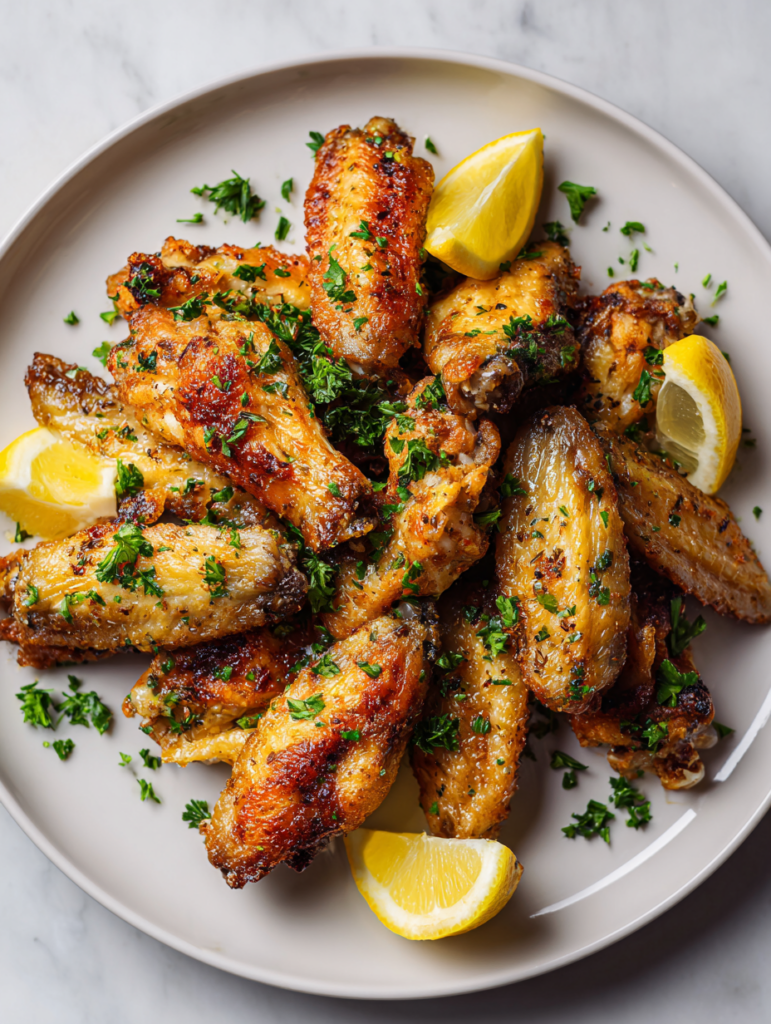
When I first started making chicken wings, I was obsessed with the skin. Not just crispy, but that crackly, shattery skin that makes you want to keep munching.
Turns out, a lot of folks overlook how drying the wings well beforehand can make all the difference. It’s a simple step that transforms the whole texture, making the crackle loud and satisfying.
I’ve tried every method, baking, frying, even broiling, yet it’s the dry-air frying technique that finally cracked the code for me. There’s something about that initial dry surface that helps the skin puff up and crisp perfectly.
Plus, it’s honest work, no fancy gadgets needed, just a little patience and attention to detail. These wings are about celebrating that overlooked hero: the skin.
Focusing on the overlooked crispy skin as the true star of chicken wings, emphasizing the importance of proper drying and frying techniques to achieve that perfect crackle.
Behind the Recipe
This recipe exists for crispy, style fried chicken wings without a long list of seasonings or coatings. The wings are cooked bone-in and skin-on so they stay juicy while frying. Baking soda and salt work together to manage surface moisture and improve browning. The vinegar or lemon juice is used at the end to lift flavor and keep the wings tasting balanced.
Why I Love This Recipe
- Very short ingredient list
- Crisp surface without flour or breading
- Flavor stays clean and simple
- Works well as a main snack-style meal
- Easy to scale for a larger batch
- No sauce required to taste complete
- Bright finish keeps wings from feeling heavy
Chef’s Pro Tips for Perfect Results
- Pat wings dry before seasoning to reduce oil splatter.
- Keep the baking soda amount precise to avoid an off taste.
- Let seasoned wings rest briefly before frying so salt does its work.
- Fry in batches to keep oil temperature steady.
- Add vinegar or lemon juice right after frying for best flavor impact.
Kitchen Tools You’ll Need
- Large mixing bowl
- Paper towels (for drying wings)
- Deep pot or deep heavy pan
- Cooking thermometer (for oil temperature control)
- Tongs or slotted spoon
- Wire rack or plate for draining
Ingredients in This Recipe
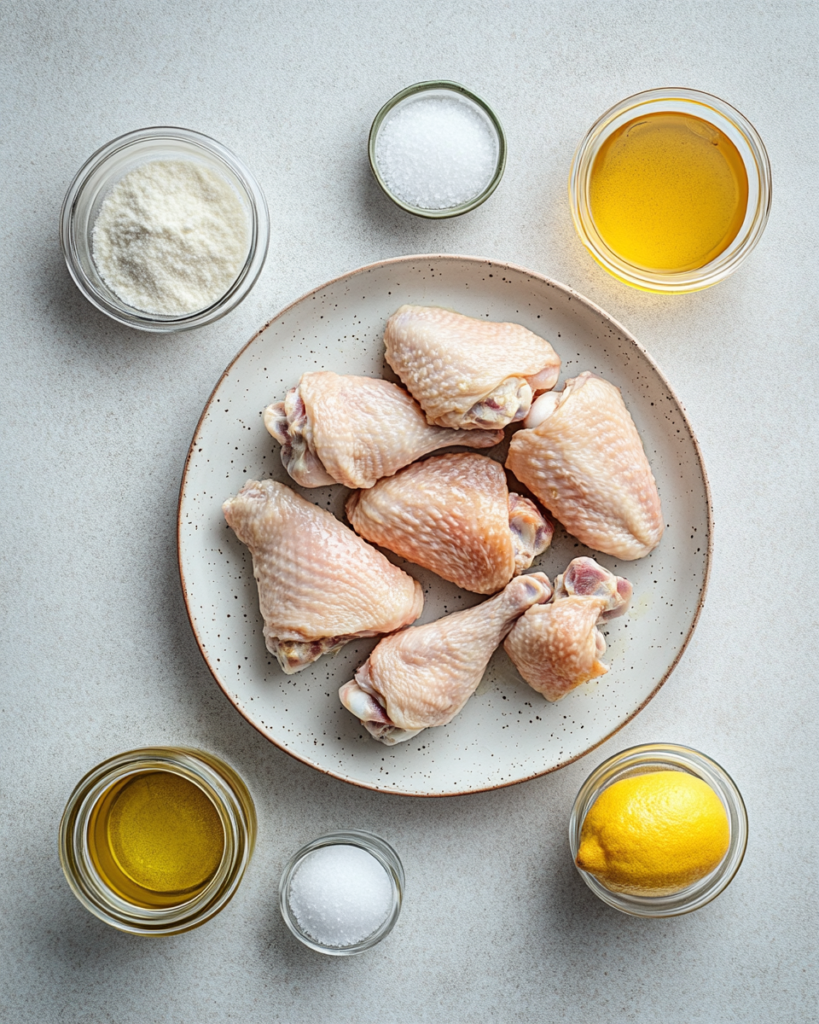
- Fresh chicken wings (2 pounds, bone-in, skin-on): The main ingredient; skin crisps during frying.
- Baking soda (0.5 teaspoon): Helps break down skin slightly for better browning and crispness.
- Salt (1 tablespoon): Seasons and helps remove moisture from the surface.
- Oil (4 cups, peanut or vegetable oil): Frying medium for even cooking.
- Vinegar or lemon juice (1 tablespoon): Adds brightness after frying.
Ingredient Spotlight
Baking Soda
Baking soda slightly changes the surface of the chicken skin, helping it brown more efficiently during frying. In a small amount, it supports crispness without altering the core flavor.
Step-by-Step Method
- Begin by thoroughly patting the chicken wings dry with paper towels. Place them on a baking sheet uncovered and leave in the fridge overnight to dry out and develop that ideal crisp surface.
- In a large bowl, combine the salt and baking soda. Toss the wings evenly with this dry rub, ensuring every piece is coated well.
- Let the coated wings sit at room temperature for about 20-30 minutes while you prepare your frying station. Meanwhile, pour the oil into a heavy-bottomed pot and attach a deep-fry thermometer.
- Heat the oil to 180°C (355°F). Once hot and bubbling steadily, carefully add a batch of wings, avoiding overcrowding, and fry for about 8-10 minutes until they turn a deep golden color and crackle loudly.
- Using a slotted spoon, transfer the fried wings to a wire rack set over paper towels. Let them rest for 5 minutes to drain excess oil and to help the skin stay shattery and crisp.
- Repeat the frying process with remaining wings, maintaining the oil temperature at 180°C. Check for doneness by pressing the skin; it should crackle and feel firm, with an internal temperature of 75°C (165°F).
- Once all batches are fried and rested, toss the wings in your favorite sauce or serve them plain. For extra flavor, sprinkle with flaky sea salt or chopped herbs just before serving.
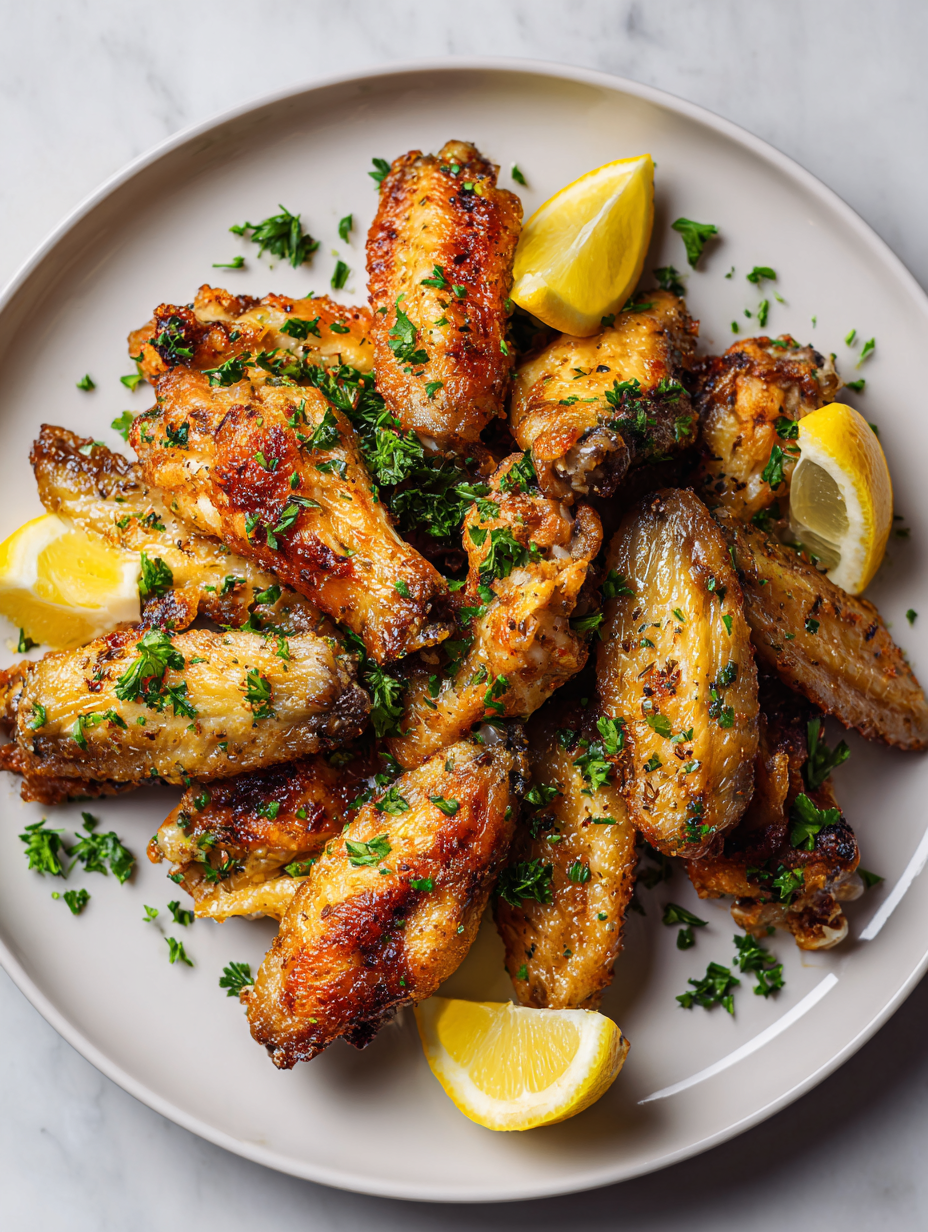
Crispy Skin Chicken Wings
Ingredients
Equipment
Method
- Begin by thoroughly patting the chicken wings dry with paper towels. Place them on a baking sheet uncovered and leave in the fridge overnight to dry out and develop that ideal crisp surface.
- In a large bowl, combine the salt and baking soda. Toss the wings evenly with this dry rub, ensuring every piece is coated well.
- Let the coated wings sit at room temperature for about 20-30 minutes while you prepare your frying station. Meanwhile, pour the oil into a heavy-bottomed pot and attach a deep-fry thermometer.
- Heat the oil to 180°C (355°F). Once hot and bubbling steadily, carefully add a batch of wings, avoiding overcrowding, and fry for about 8-10 minutes until they turn a deep golden color and crackle loudly.
- Using a slotted spoon, transfer the fried wings to a wire rack set over paper towels. Let them rest for 5 minutes to drain excess oil and to help the skin stay shattery and crisp.
- Repeat the frying process with remaining wings, maintaining the oil temperature at 180°C. Check for doneness by pressing the skin; it should crackle and feel firm, with an internal temperature of 75°C (165°F).
- Once all batches are fried and rested, toss the wings in your favorite sauce or serve them plain. For extra flavor, sprinkle with flaky sea salt or chopped herbs just before serving.
Texture & Flavor Notes
- Crisp, browned skin from deep frying
- Juicy interior due to bone-in wings
- Clean, salty flavor without heavy seasoning
- Light tangy finish from vinegar or lemon juice
What to Avoid
- Using too much baking soda, which can leave an aftertaste.
- Frying too many wings at once, which drops oil temperature.
- Frying at low temperature, which can make wings greasy.
- Adding vinegar or lemon juice too early, before frying.
Make-Ahead & Storage
- Wings are best served immediately after frying for texture.
- Store leftovers in an airtight container in the refrigerator for up to 2 days.
- Reheat in an oven until hot to restore some crispness.
- Avoid freezing, as fried skin texture changes noticeably after thawing.
What to Serve With It
- Coleslaw
- French fries
- Potato wedges
- Corn on the cob
- Simple salad
Ingredient Substitutions
- Use either vinegar or lemon juice as listed.
- Use either peanut oil or vegetable oil as listed.
- No other substitutions are recommended for this ingredient list.
Creative Leftover Transformations
- Reheat wings and finish again with a small touch of vinegar or lemon juice from the listed ingredients.
- Chop leftover wing meat and mix into a small serving bowl with a tiny drizzle of vinegar/lemon juice for a quick snack-style portion.
Variations (Optional)
- Use vinegar for a sharper finish or lemon juice for a softer tang.
- Fry wings slightly longer for deeper browning (without burning).
- Use slightly less vinegar/lemon for a milder finish.
- Cut wings into flats and drumettes before seasoning for easier serving.
FAQ
- Do I need to use baking soda?
It helps crisp and brown the skin, but the wings can still be fried without it. The texture may be less crisp. - Why dry the wings before seasoning?
Drying removes surface moisture, which helps browning and reduces splatter. - Can I season the wings longer before frying?
Yes, but keep the resting time reasonable so the surface doesn’t become wet again. - What oil temperature is best for frying wings?
Around 350°F (175°C) helps cook wings through while browning the skin. - How do I know the wings are cooked through?
They should be deeply browned and hot throughout. Cooking time varies slightly by size. - Why fry in batches?
Overcrowding drops the oil temperature and affects texture. - When do I add vinegar or lemon juice?
After frying, while wings are still hot, so it distributes evenly. - Will vinegar or lemon juice make the wings soggy?
Not in this small amount, especially if added right after frying. - How long do leftovers keep?
Up to 2 days in the refrigerator in an airtight container. - Can I freeze leftover wings?
Freezing isn’t recommended because the fried skin texture changes after thawing.

I’m Mahek Manchanda, the curious heart behind Dramatically Stirring. Before this space existed, my life revolved around kitchens that were loud, demanding, and endlessly alive. I didn’t arrive at cooking through a single dramatic moment.