
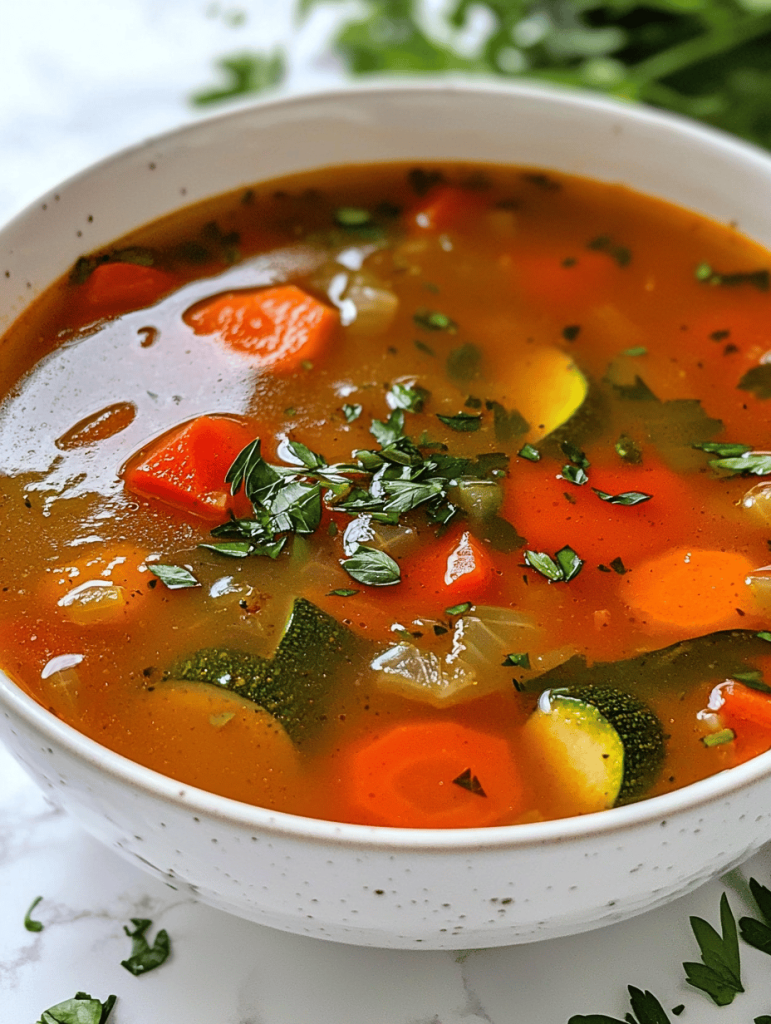
Every fall, it’s easy to get distracted by pumpkin spice and apple cider. But I’ve found that embracing the more unexpected ingredients, like leftover roasted squash, carrots, and parsnips, can turn your humble kitchen into a cozy, aromatic workshop.
The smell of roasting vegetables mingles with a hint of thyme and garlic, filling the house and sparking a sliver of nostalgia for simpler harvest seasons.
This recipe is about more than just a warm bowl; it’s a celebration of spontaneous creativity, using what I already have on hand.
The spoon clinks softly against the pot as I stir, feeling a quiet pride in transforming tired veggies into something boldly comforting. It’s a dish that whispers, “You’ve got enough,” in the busiest moments of fall chaos.
Behind the Recipe
This recipe exists to turn leftover roasted vegetables into a complete soup without additional preparation steps. Instead of blending or re-roasting, the vegetables are warmed directly in broth. Garlic, olive oil, and dried thyme are used sparingly to support the existing roasted flavor rather than cover it. The soup relies on simmering, not reduction or thickening.
Why This Recipe Works
- Roasted vegetables already contain developed flavor.
- Olive oil helps release aroma from garlic and thyme.
- Broth warms and distributes flavor evenly.
- Minimal handling preserves vegetable texture.
Chef’s Pro Tips for Perfect Results
- Use gentle simmer, not a hard boil, to keep vegetables intact.
- Cook garlic briefly only until fragrant to avoid bitterness.
- Stir well after adding broth so vegetables distribute evenly.
- Season at the end after flavors blend.
Ingredients in This Recipe
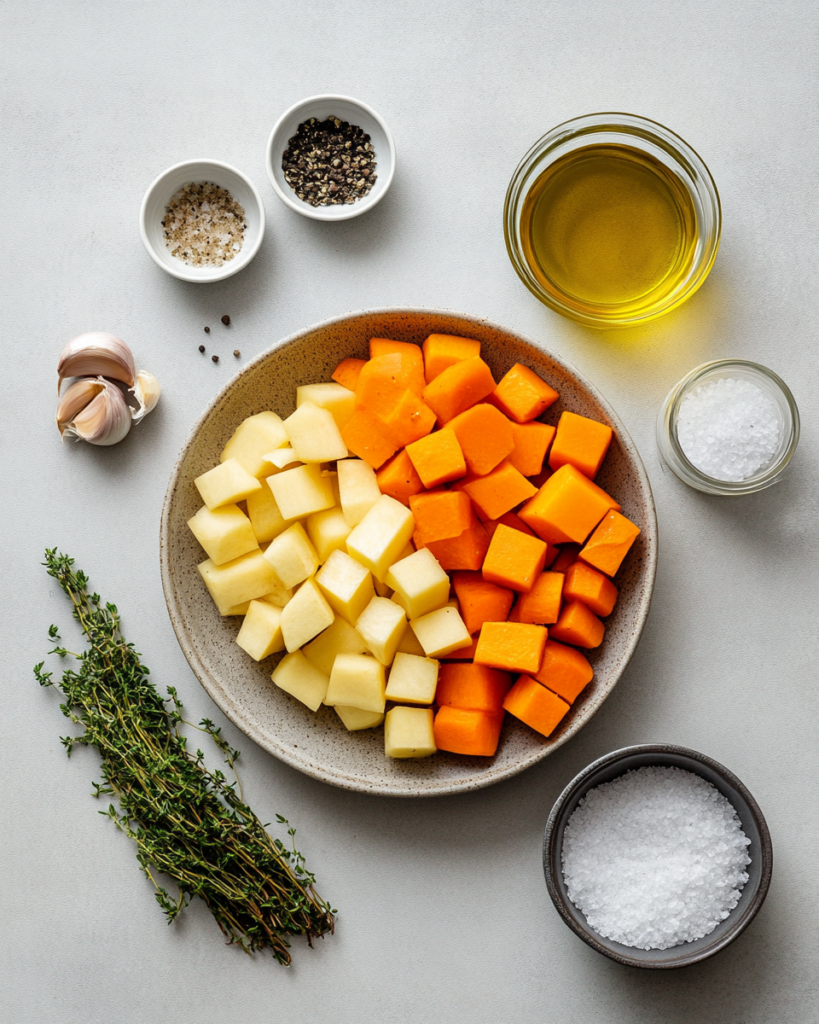
- Roasted mixed vegetables (3 cups, squash, carrots, parsnips) – Provide body and flavor from prior roasting.
- Garlic cloves (2, minced) – Add savory depth when gently cooked.
- Olive oil (1 tablespoon) – Supports sautéing and flavor release.
- Dried thyme (1 teaspoon) – Adds mild herbal flavor.
- Vegetable broth (4 cups) – Forms the soup base.
- Salt (to taste) – Adjusts overall seasoning.
- Black pepper (to taste) – Adds gentle warmth.
Kitchen Tools You’ll Need
- Medium pot or saucepan
- Spoon or spatula
- Knife
- Cutting board
- Measuring cups and spoons
Step-by-Step Method
- Heat the olive oil in a medium pot over medium heat.
- Add the minced garlic and cook for about 30 seconds, stirring constantly, until fragrant.
- Stir in the dried thyme.
- Add the roasted vegetables to the pot and stir to coat them with the oil and aromatics.
- Pour in the vegetable broth and stir to combine.
- Bring the soup to a gentle simmer, then reduce heat to low.
- Simmer for 10 to 15 minutes, allowing the vegetables to warm through and flavors to blend.
- Season with salt and black pepper to taste.
- Remove from heat and serve warm.
Ingredient Substitutions
- Roasted vegetable mix can include only those listed: squash, carrots, parsnips.
- Broth must remain vegetable broth as listed.
Ingredient Spotlight
Roasted Vegetables
Roasted vegetables already carry concentrated flavor from prior cooking. Using them directly avoids extra steps while keeping their texture intact.
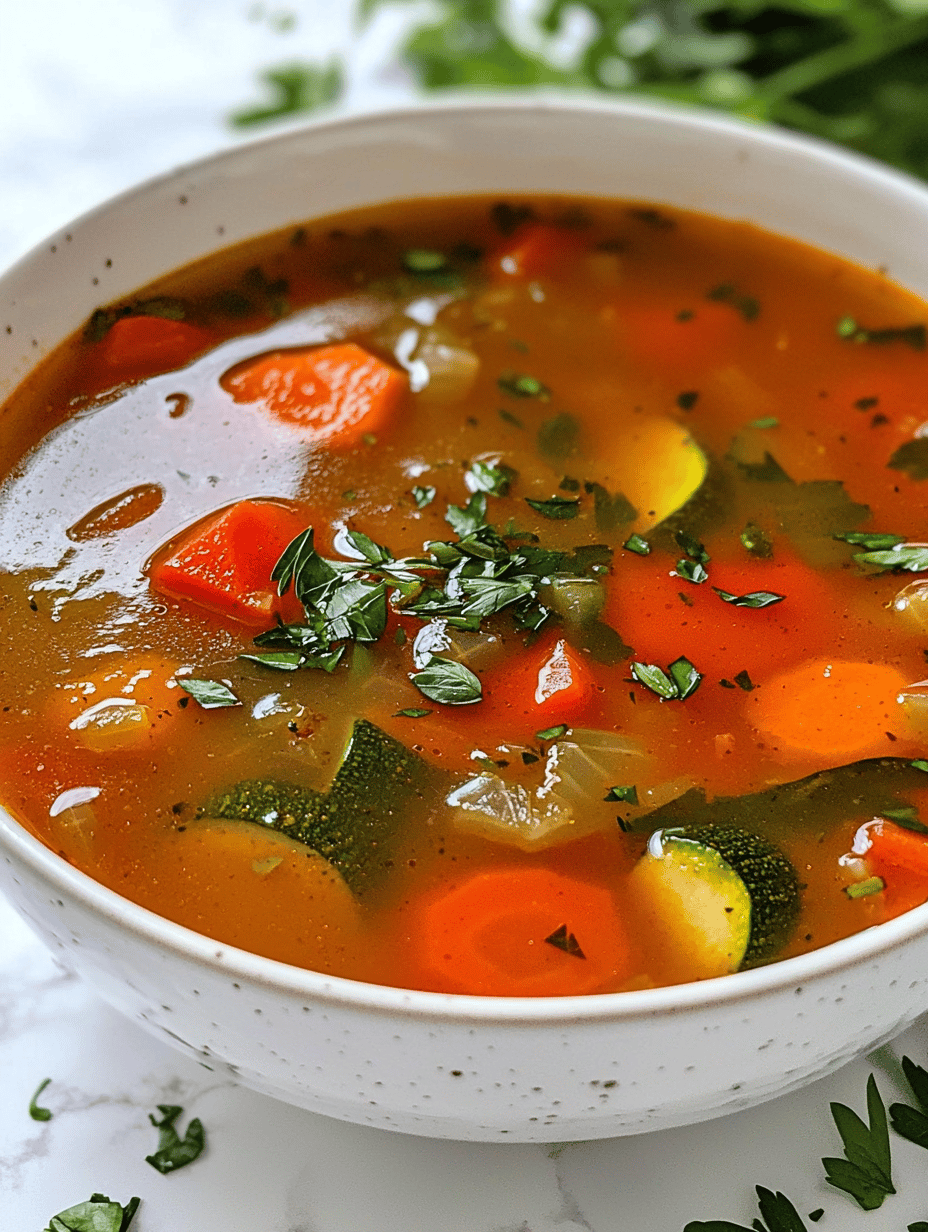
Roasted Vegetable Soup from Leftovers
Ingredients
Equipment
Method
- Heat the olive oil in a medium pot over medium heat.
- Add the minced garlic and cook for about 30 seconds, stirring constantly, until fragrant.
- Stir in the dried thyme.
- Add the roasted vegetables to the pot and stir to coat them with the oil and aromatics.
- Pour in the vegetable broth and stir to combine.
- Bring the soup to a gentle simmer, then reduce heat to low.
- Simmer for 10 to 15 minutes, allowing the vegetables to warm through and flavors to blend.
- Season with salt and black pepper to taste.
- Remove from heat and serve warm.
Notes
Texture & Flavor Notes
- Vegetables remain chunky and spoonable.
- Broth is light, not thickened.
- Garlic and thyme are subtle, not dominant.
- Overall flavor reflects the original roasted vegetables.
What to Avoid
- Boiling aggressively, which can break down the vegetables.
- Adding extra liquid beyond the listed broth.
- Overcooking garlic, which can turn bitter.
Make-Ahead & Storage
- Soup can be prepared up to 2 days in advance.
- Store refrigerated in an airtight container.
- Reheat gently on the stovetop over low heat.
What to Serve With It
- Crusty bread
- Simple toast
- Cooked grains
- Plain salad
- Savory muffins
Creative Leftover Transformations
- Use leftovers as a light lunch soup portion.
- Reheat slowly to avoid breaking down vegetables further.
- Reduce broth slightly when reheating if you want a more vegetable-forward bowl.
Variations (Optional)
- Chop vegetables smaller for a more uniform texture.
- Simmer a few minutes longer for softer vegetables.
- Use more broth for a lighter soup.
- Reduce broth slightly for a more vegetable-forward bowl.
FAQ
- Do the vegetables need to be freshly roasted?
No. Leftover roasted vegetables work as intended. - Is this soup blended?
No. It is meant to stay chunky. - Can I use only one type of roasted vegetable?
Yes, as long as the total quantity remains the same. - Why not blend the soup?
No blending tools are used in this method. - How strong is the thyme flavor?
It is mild and supportive. - Can I add the vegetables cold from the refrigerator?
Yes. They will warm during simmering. - Does the soup thicken as it cooks?
No. It remains broth-based. - Can I season at the end instead of the beginning?
Yes. Final seasoning is recommended. - Is this meant to be a full meal?
It works best as a light meal or side. - Can leftovers be reheated more than once?
Reheat only what you plan to eat to maintain texture.

I’m Mahek Manchanda, the curious heart behind Dramatically Stirring. Before this space existed, my life revolved around kitchens that were loud, demanding, and endlessly alive. I didn’t arrive at cooking through a single dramatic moment.