

I didn’t always think of food as care. For a long time, it was just something I fit in between responsibilities. Something practical. Something necessary, but not meaningful.
Care, in my mind, looked bigger. Louder. More intentional. Food felt ordinary by comparison.
That changed slowly, without me noticing at first.
When Eating Became an Afterthought
There were phases of my life when food was the last thing on my mind. I ate when I remembered. I chose convenience over nourishment. I didn’t think much about how meals made me feel—only whether they filled the gap.
Looking back, it wasn’t neglect as much as disconnection. I wasn’t being unkind to myself intentionally. I just didn’t see food as something that could offer care beyond calories.
Meals were rushed. Eating was automatic. And somewhere in that rhythm, I stopped listening to my own needs.
The Quiet Shift
The shift didn’t come with a declaration or a sudden lifestyle change. It came through repetition.
Cooking one meal at home. Sitting down instead of eating standing up. Choosing something warm when I felt tired. Choosing something simple when I felt overwhelmed.
These choices didn’t feel significant in the moment. But over time, they began to stack. And slowly, food stopped being just fuel—it became a way of showing up for myself.
Cooking as Presence
When I cook now, I’m present in a way I wasn’t before. Even on days when I keep it simple, there’s intention behind the act.
Chopping vegetables. Heating oil. Waiting for something to simmer. These small steps create pauses in my day. They ask me to slow down, even briefly.
Cooking reminds me that care doesn’t have to be dramatic. It can exist quietly, in the background of an ordinary day.
Feeding Myself With Attention
There’s something deeply grounding about feeding yourself with attention rather than urgency.
I’ve learned to notice when I need comfort instead of creativity. When I need warmth instead of variety. When my body wants familiarity instead of excitement.
Food became a way of listening—to hunger, to emotion, to energy levels. It taught me to respond rather than override.
That responsiveness is care.
Simple Meals, Real Support
Some of the most caring meals I make are the simplest ones. Meals that don’t require planning or perfection.
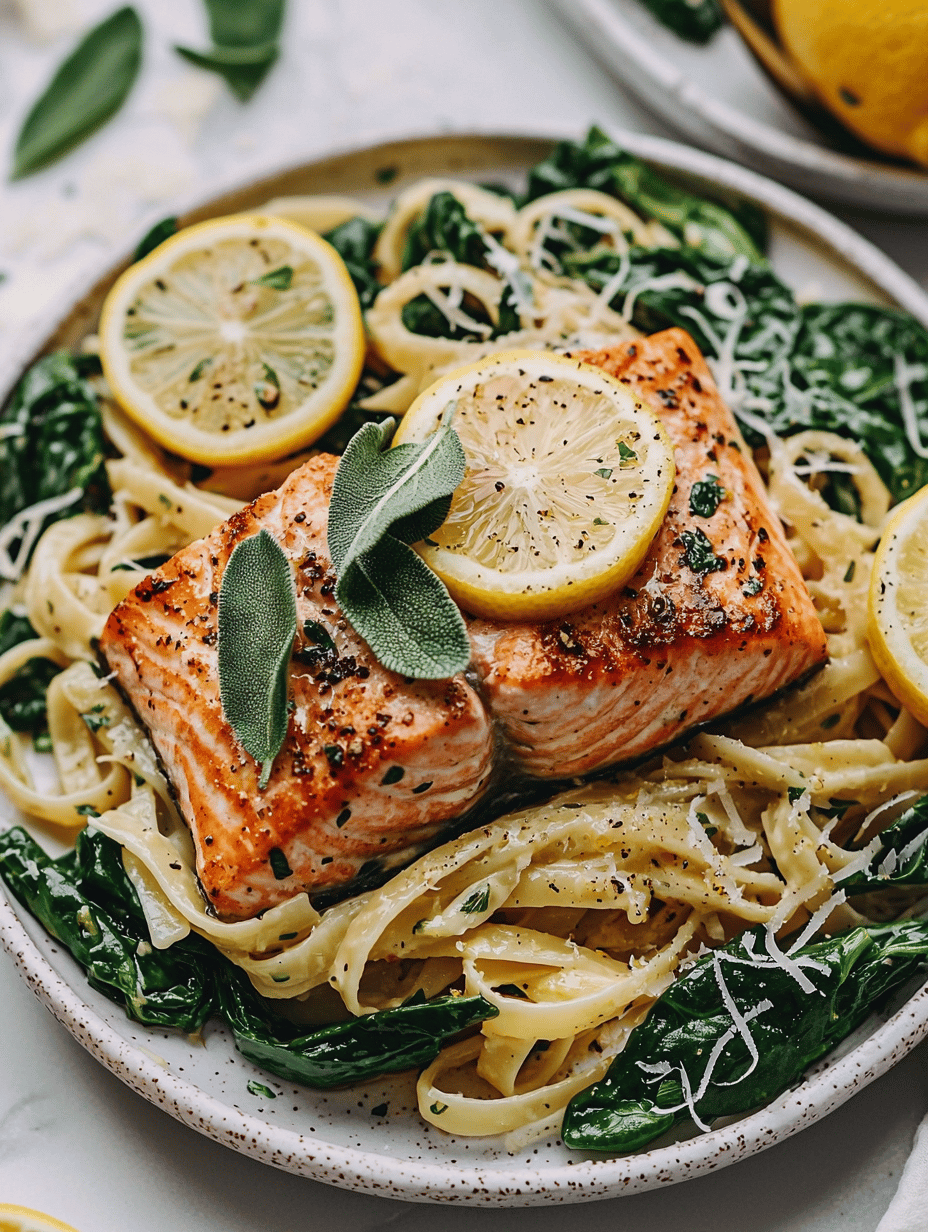
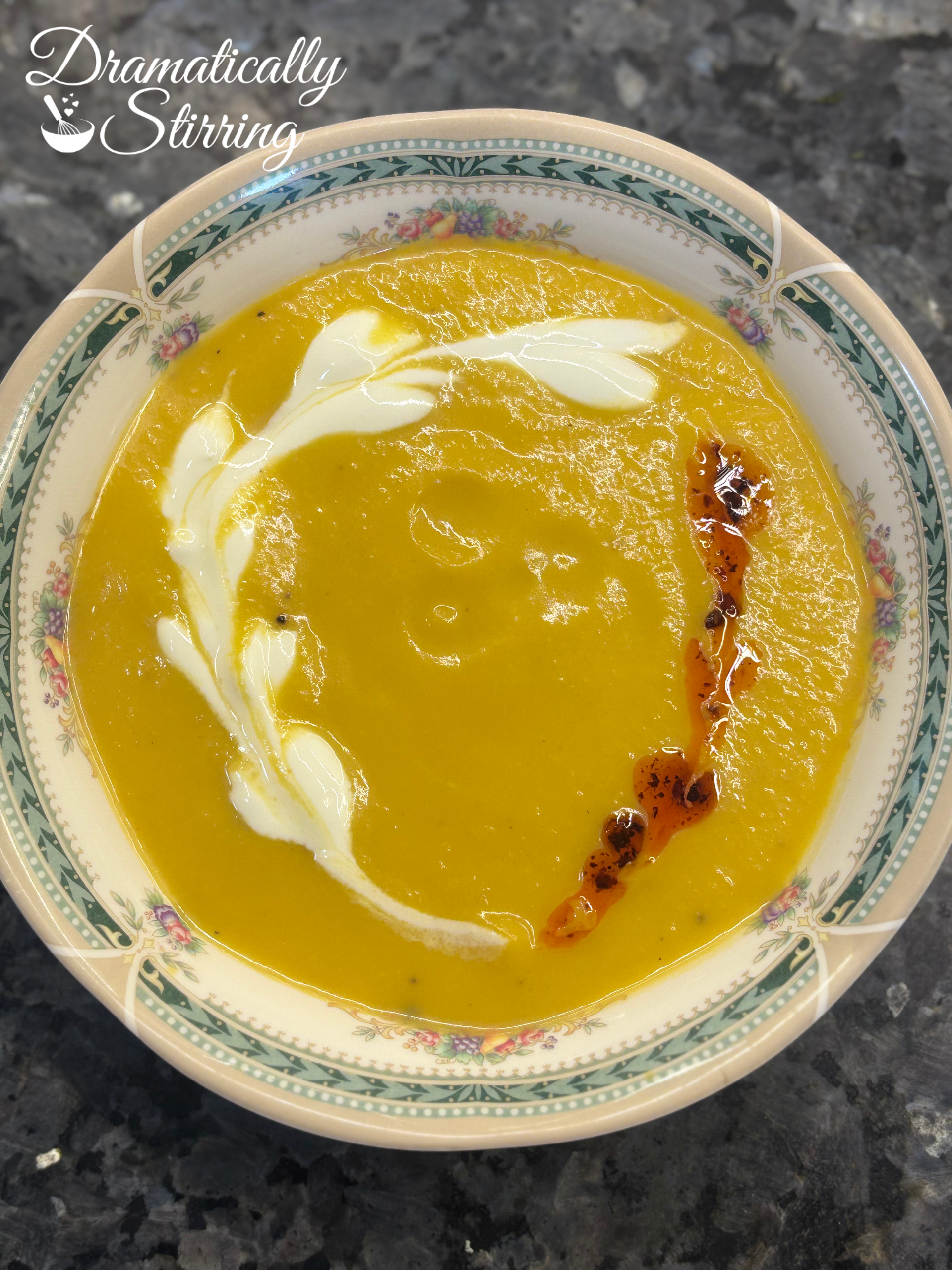
A bowl of something warm. A familiar combination I’ve made a hundred times. Food that asks very little of me and gives exactly what I need.
These meals don’t impress anyone. But they support me. And I’ve learned that support matters more than spectacle.
Eating Without Judgment
One of the biggest shifts food brought into my life was the removal of judgment.
I stopped labeling meals as good or bad. I stopped expecting every plate to be balanced, creative, or worthy of documentation.
Instead, I started asking a different question: Does this help me feel okay right now?
That question changed everything.
Food stopped being a measure of discipline or success. It became a response to need.
Care Through Routine
There’s something powerful about feeding yourself every day, regardless of mood or motivation.
Routine meals—breakfasts that look the same, dinners that repeat—create stability. They become a promise you keep to yourself.
Even on days when everything feels uncertain, eating something nourishing reminds me that I’m still here. Still taking care. Still moving gently forward.
That consistency is its own form of kindness.
The Emotional Layer of Food
Food carries emotion whether we acknowledge it or not.
Some meals feel grounding. Some feel nostalgic. Some feel soothing in ways that are hard to explain.
I’ve learned to let food hold emotion without needing to justify it. To let comfort be enough. To let familiarity be intentional.
Food doesn’t have to fix feelings to be helpful. Sometimes it just needs to sit alongside them.
What Changed Because of This
Seeing food as care changed how I treat my time, my energy, and myself.
I no longer rush meals unnecessarily. I no longer feel guilty for choosing ease. I no longer expect food to perform.
Instead, I let it support.
That shift has softened my days. It’s made my kitchen feel like a place of steadiness rather than obligation.
Care That Doesn’t Ask for Recognition
The most meaningful care I practice through food is quiet. No one sees it. No one applauds it.
It’s the meal I make when I’m tired. The choice to eat something warm instead of skipping dinner. The act of sitting down, even briefly.
These moments don’t announce themselves—but they matter.
Where I Am Now
Food is no longer something I squeeze in between life. It’s part of how I move through it.
It’s how I pause. How I reset. How I remind myself that I deserve nourishment without earning it.
Food became a daily form of care not because I decided it should—but because I allowed it to be.
Final Thoughts
Care doesn’t always look like grand gestures or perfect routines. Sometimes, it looks like feeding yourself gently, day after day.
Food taught me that showing up consistently, even imperfectly, is enough.
And in that quiet consistency, I found something lasting.

Hi, I am Elias William Carter! The cook, writer, and self-proclaimed flavor enthusiast behind Dramatically Stirring. Food has always been my love language- my way of showing care, curiosity, and creativity all at once. I grew up in the heart of North Carolina, in a house where the kitchen was always alive with noise and aroma






Leave a Reply