
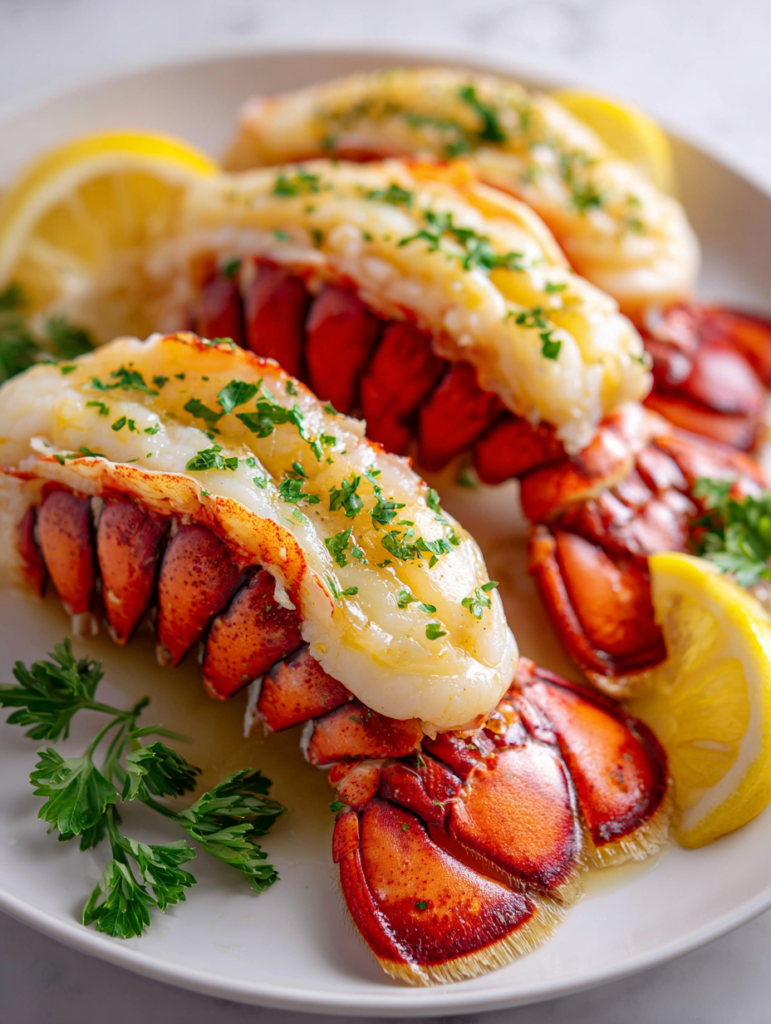
Lemon butter lobster tail is one of those dishes that feels fancy but is surprisingly straightforward if you keep it simple. The key is balancing that bright, citrusy zing with the rich, almost buttery melt of the lobster meat. It’s a dish I love to make when I want something special but don’t want to fuss over complicated sauces or techniques.
What really makes this recipe sing is how the lemon butter sauce cuts through the richness of the lobster, creating a harmony of flavors that’s both fresh and indulgent. It’s perfect for a sunny weekend lunch or a quiet dinner where you want to treat yourself without spending hours in the kitchen. Plus, lobster feels like a special occasion, even if you’re just celebrating a small victory at home.
Focusing on the delicate balance of citrus brightness and buttery richness, this recipe emphasizes how a simple lemon butter sauce can elevate lobster tails from basic to extraordinary, turning a seafood dinner into an elegant yet approachable experience.
The story behind this recipe
- This recipe started from a simple memory of summer dinners by the water, where lobster was always the star, but I wanted to bring a little more brightness and simplicity into it. Lemon butter feels like a perfect bridge between elegance and everyday comfort, especially when you want something special but approachable.
- I remember the first time I tried making it myself—messing around with a squeeze of lemon and melting butter in a pan, the kitchen filling with a warm, citrusy aroma that made me smile. It’s one of those dishes that’s rooted in small, honest moments—sharing a meal with friends or just treating yourself after a long week.
- story_type
Key ingredients and tips
- Lobster tails: I love the sweet, firm meat that holds up well to butter. If yours are small, adjust cooking time slightly down.
- Unsalted butter: It’s the creamy base that brings richness. Use good quality, and if you want it extra silky, swirl in a bit more at the end.
- Fresh lemon juice: Brightens everything with a zing. Opt for fresh for that vivid, citrus punch, or use bottled in a pinch, but skip the zest for now.
- Garlic: Minced garlic adds depth and aroma—smell it as it cooks, and keep it gentle so it doesn’t burn and turn bitter.
- Fresh herbs (parsley or thyme): Adds a pop of color and freshness. Chopped herbs sprinkle over just before serving for maximum flavor and brightness.
- Olive oil or neutral oil: Helps the sauce come together smoothly. Use a splash to loosen the butter if it’s too thick or if the pan is drying out.
- Salt & pepper: Essential for seasoning. Season the lobster meat before cooking, and taste the sauce before finishing to balance the acidity and richness.
Spotlight on key ingredients
Lobster tails:
- The sweet, firm meat benefits from gentle handling. During cooking, it turns opaque and springs back slightly when pressed.
- Lobster meat: It behaves beautifully, holding onto the buttery sauce while remaining tender. Watch for a slight golden hue on edges, signaling perfect doneness.
Lemon (juice and zest):
- Lemon juice: Bright and zesty, it intensifies with heat, releasing a fresh, citrus aroma that cuts through richness. The juice should shimmer in the sauce, not settle or burn.
- Fresh lemon zest: Adds a burst of aromatic citrus oils, which can be missed if skipped. It amplifies the lemon-bright flavor, especially when sprinkled over hot lobster.
Notes for ingredient swaps
- Dairy-Free: Swap butter for coconut oil or a good quality dairy-free margarine. Expect a slightly different richness and a hint of coconut aroma.
- Lemon Juice: Use bottled lemon juice if fresh lemons aren’t available. The flavor will be less vibrant but still citrusy.
- Herbs: Substitute parsley or thyme with basil or chives for a different fresh note—these add a slightly different aromatic punch.
- Garlic: If fresh garlic isn’t handy, garlic powder works in a pinch. Use about half as much and add it earlier to mellow the flavor.
- Olive Oil: Any neutral oil like avocado or canola works here. It won’t add much flavor but helps loosen the sauce as needed.
- Lobster: If lobster isn’t available, large shrimp or scallops can be a quick, delicious alternative, cooked similarly.
- Salt & Pepper: Sea salt or flaky salt can elevate the dish’s flavor, while freshly cracked black pepper adds a nice bite.
Equipment & Tools
- Chef’s knife: Cut the shell cleanly and precisely.
- Kitchen scissors: Trim the lobster shell easily.
- Small saucepan: Make the lemon butter sauce.
- Baking sheet: Bake the lobster tails evenly.
- Basting brush: Apply butter evenly over the lobster.
Step-by-step to perfect lobster
- Equipment & Tools: Gather a sharp chef’s knife, kitchen scissors, a small saucepan, a baking sheet, and a basting brush. The knife for precise cuts, scissors for shell prep, saucepan for sauce, baking sheet for oven, brush for butter application.
- Preheat your oven to 200°C (390°F). Line the baking sheet with parchment for easy cleanup.
- Prepare lobster tails: Use scissors to cut down the top shell lengthwise, from base to tip. Carefully lift and open the shell, loosening the meat with your fingers, leaving it attached at the tail end. Pat dry with paper towels.
- Make lemon butter sauce: In the saucepan, melt 4 tbsp unsalted butter over medium heat (around 160°C/320°F). Add 2 minced garlic cloves, cook until fragrant (~30 sec). Stir in 1 tbsp fresh lemon juice, and a pinch of salt and pepper. Keep warm.
- Cook lobster tails: Place the tails on the baking sheet, meat side up. Brush generously with part of the lemon butter. Bake in the oven for 12-15 minutes. The meat should turn opaque and firm, with a slight golden glow on the edges.
- Finish with butter and herbs: As soon as they come out, brush with more lemon butter, sprinkle chopped parsley or thyme, and serve immediately. The lobster should be hot, juicy, with a bright lemon aroma.
- Rest briefly: Let the lobster rest for 2 minutes off the heat before serving to allow juices to settle. Plate with extra lemon butter drizzled over for that glossy, enticing look.
Rest the lobster for 2 minutes to allow juices to redistribute. Serve immediately with extra lemon butter and a sprinkle of herbs for freshness. Plate with a lemon wedge for visual brightness.
How to Know It’s Done
- Lobster meat: opaque, firm, and slightly springy to the touch.
- Color: golden edges with a bright, lemony aroma.
- Juice release: lemon butter should shimmer and smell citrusy, not burnt.

Lemon Butter Lobster Tails
Ingredients
Equipment
Method
- Preheat your oven to 200°C (390°F). Line a baking sheet with parchment paper to prevent sticking.
- Using kitchen scissors, carefully cut down the top shell of each lobster tail from the base to the tip, being gentle to avoid cracks.
- Gently lift and loosen the lobster meat from the shell with your fingers, keeping it attached at the tail end, then place the meat back on top of the shell for easy handling.
- Melt the butter in a small saucepan over medium heat until it starts to shimmer and smells nutty, about 1-2 minutes.
- Add the minced garlic to the melted butter and cook until fragrant, about 30 seconds, with a gentle bubbling sound filling the air.
- Stir in the fresh lemon juice and a pinch of salt and pepper, then remove from heat; the sauce should be bright and fragrant.
- Place the lobster tails on the prepared baking sheet, meat side up, and brush generously with some of the lemon butter sauce using a basting brush.
- Bake in the oven for about 12-15 minutes, until the lobster meat turns opaque, firm, and has a slight golden glow on the edges, filling your kitchen with a citrusy aroma.
- Once out of the oven, brush the lobster with more lemon butter, then sprinkle with chopped herbs for vibrant color and fresh flavor.
- Let the lobster rest for 2 minutes to allow the juices to redistribute, then serve immediately with extra lemon wedges and a drizzle of the sauce for a glossy, appetizing finish.
Pro tips for perfect lobster
- Bolded mini-head: Use a sharp knife to cut through the shell cleanly, avoiding cracks or jagged edges.
- Bolded mini-head: Melt butter gently over medium heat until it just starts to shimmer, then add garlic to release aroma without burning.
- Bolded mini-head: When baking, baste the lobster meat with lemon butter every 3-4 minutes for even flavor and moisture.
- Bolded mini-head: Look for opaque, firm lobster meat with a slight golden glow on the edges as your doneness indicator.
- Bolded mini-head: Finish with a squeeze of fresh lemon and chopped herbs immediately for maximum brightness and freshness.
- Bolded mini-head: Keep an eye on the sauce; if it bubbles too vigorously or turns brown, lower heat to prevent burning.
- Bolded mini-head: Rest the lobster for 2 minutes after baking; this helps juices redistribute and keeps the meat tender.
Common Mistakes and How to Fix Them
- FORGOT to adjust cooking time for smaller lobster tails → check for doneness sooner.
- DUMPED sauce before it thickened → simmer longer or add a splash of cream for richness.
- OVER-TORCHED the butter sauce → lower heat and stir constantly to prevent burning.
- MISSED the resting step → let lobster rest 2 minutes for juicier, more tender meat.
Quick fixes for lemon butter lobster
- When sauce shimmers, it’s ready—don’t let it boil vigorously or it’ll split.
- Splash cold water on the sauce if it’s too thick or starts to burn; stir well.
- Patch over a burnt butter sauce with a splash of white wine; gently reheat and stir.
- If lobster meat sticks to the shell, gently loosen with a spoon and brush with more butter.
- Splash lemon juice if sauce lacks brightness; the citrus aroma will perk up instantly.
Prep, store, and reheat tips
- Prep the lobster tails: Cut and clean them a day ahead, keeping them chilled in an airtight container for up to 24 hours. The meat stays firm and fresh, ready for quick baking.
- Make the lemon butter sauce: Prepare and refrigerate in a jar or small container for up to 2 days. Reheat gently, watching for shimmer and aroma, before brushing on the lobster.
- Storage of cooked lobster: Keep leftovers in an airtight container in the fridge for up to 2 days. The meat remains tender, but the flavor dims slightly over time.
- Reheating tips: Gently warm lobster in a covered dish at 150°C (300°F) for 5-7 minutes. The sauce will shimmer again, and the meat will stay juicy if not overdone.
- Flavor change: The lemon butter may intensify or slightly mellow after a day. Brightness is still there, but fresh lemon addition can revive it before serving.
Top questions about Lemon Butter Lobster
1. Can I use frozen lobster tails?
Use fresh lobster tails if possible; frozen can work but should be fully thawed and patted dry. Fresh meat cooks more evenly and tastes brighter.
2. How do I thaw frozen lobster safely?
Yes, but thaw slowly in the fridge overnight. Pat dry thoroughly before cooking to prevent excess moisture and ensure browning.
3. Can I make this dish ahead?
Yes, you can prepare the lobster tails and lemon butter sauce a day ahead. Keep the lobster chilled and reheat the sauce gently before serving.
4. How do I know when lobster is cooked?
Bake lobster tails until the meat is opaque and firm, about 12-15 minutes at 200°C (390°F). The edges should be slightly golden and juices clear.
5. What ingredients make this dish special?
Use a good quality unsalted butter for richness. Fresh lemon juice brightens the dish, and fresh herbs add a pop of color and flavor.
6. What if my lemon butter sauce splits?
If the sauce curdles or separates, lower the heat immediately and whisk in a small splash of cold water or extra butter to smooth it out.
7. How long should I cook lobster tails?
Adjust cooking time based on lobster size; smaller tails will cook faster, so start checking around 10 minutes. The meat should be opaque and slightly springy.
8. How do I prepare lobster tails for baking?
Use a sharp knife to cut the shell cleanly, and be careful when lifting the meat to keep it intact. This keeps the presentation tidy and cooking even.
9. What if I overcook the lobster?
If the lobster seems undercooked, pop it back in the oven for a few more minutes. Overcooking makes the meat tough, so keep a close eye near the end.
10. Should I rest the lobster before serving?
Always serve lobster immediately after resting for 2 minutes. The meat will be juicy, and the lemon butter will be at its brightest flavor.
Cooking lobster with lemon butter might seem fancy, but it’s really about celebrating simplicity and fresh flavors. The bright citrus and rich butter create a balance that’s both indulgent and refreshing, perfect for when you want a special meal without fuss.
Whenever I make this dish, I’m reminded that good ingredients and a bit of care turn something simple into a memorable moment. It’s a dish that feels like a small celebration—light, bright, and just a little bit luxurious.

Hi, I am Elias William Carter! The cook, writer, and self-proclaimed flavor enthusiast behind Dramatically Stirring. Food has always been my love language- my way of showing care, curiosity, and creativity all at once. I grew up in the heart of North Carolina, in a house where the kitchen was always alive with noise and aroma