
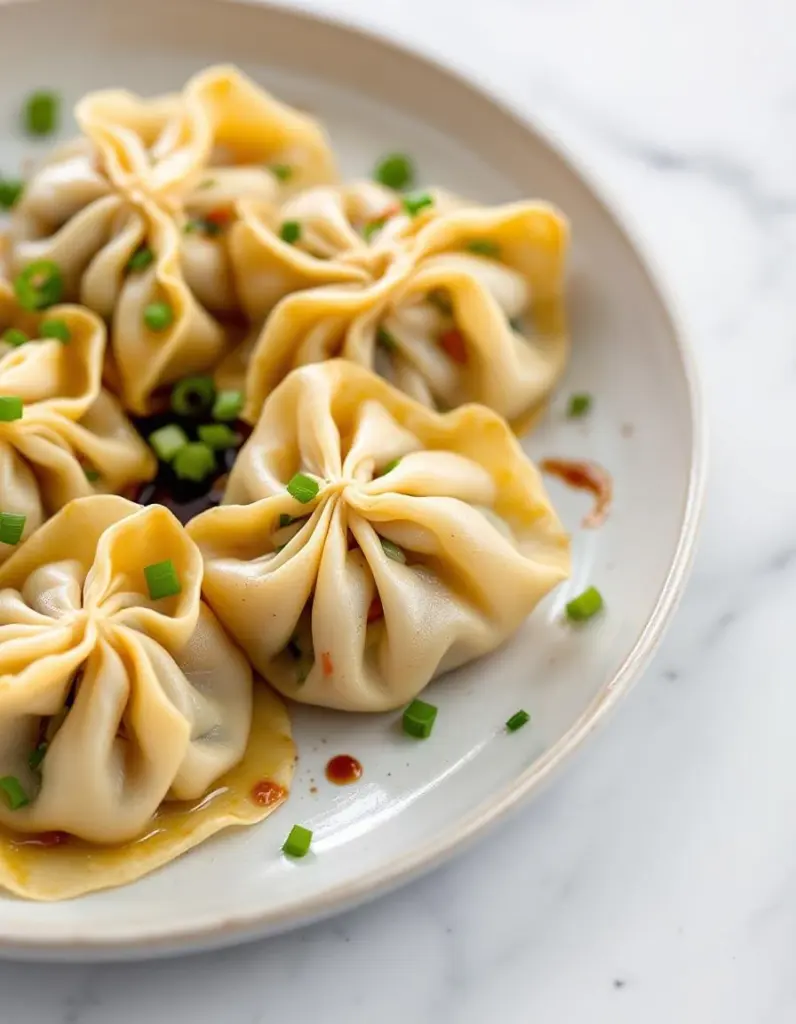
Making these dumplings involves a lot of messy folding and pinching, especially when you’re trying to keep the filling inside without it spilling out. There’s a satisfying resistance when you pinch the edges together, sealing in the chopped veggies and herbs. You’ll be surprised how quickly the kitchen fills with a steamy, savory aroma that’s hard to ignore.
The first bite offers a crunch from the wrapper, followed by a burst of juicy, finely chopped vegetables. Eating them hot, right after steaming or frying, keeps that crisp and tender contrast alive. It’s a hands-on process that’s as much about the tactile feel as it is about the flavor.
The satisfying crackle of the dumpling wrapper as you bite into it, revealing a tender, vegetable-packed filling inside.
What goes into this dish
- Cabbage: I chop it fine, it adds crunch and a slightly sweet, smoky flavor. Skip it if you prefer a softer filling, but it keeps the texture lively.
- Carrots: Grated fresh, they bring a juicy sweetness and a splash of color. Use zucchini as a mild swap if carrots are out of reach.
- Mushrooms: Sautéed until earthy and tender, they add umami. Dried shiitakes rehydrated and minced work beautifully here too.
- Garlic & Ginger: Minced finely, these give a fragrant punch that wakes up the filling. Adjust quantity based on your love for spice and aroma.
- Soy Sauce: Just a splash for saltiness and depth. Tamari or coconut aminos can stand in for gluten-free needs, keeping the savory note.
- Sesame Oil: A few drops for nutty aroma and richness. You can swap with toasted sunflower oil if sesame feels too strong.
- Dumpling Wrappers: Store-bought work, but if you’re feeling ambitious, homemade wrappers are chewy and tender, with a slightly floury scent that’s hard to beat.
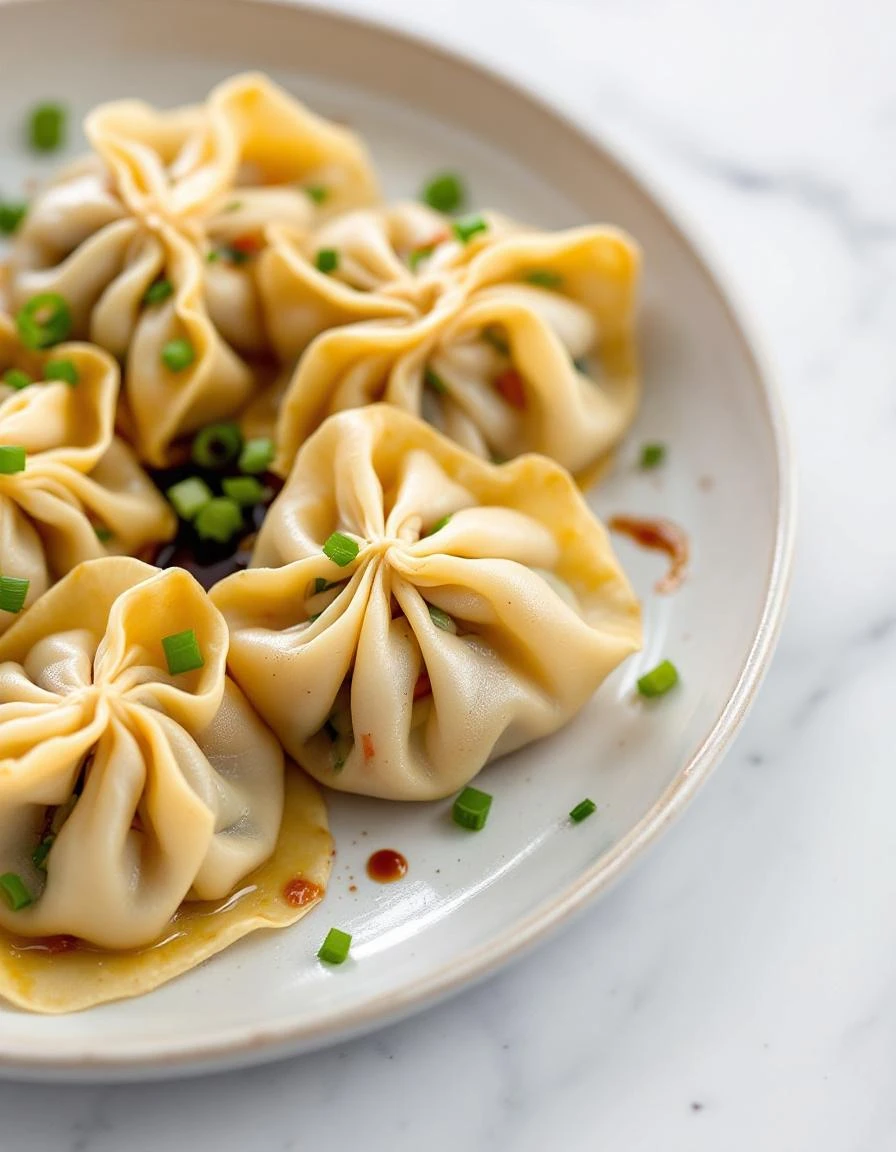
Vegetable Dumplings
Ingredients
Equipment
Method
- Begin by combining the finely chopped cabbage, grated carrots, sautéed mushrooms, minced garlic, and ginger in a large mixing bowl. Mix well to evenly distribute all the vegetables and aromatics.
- Pour in the soy sauce and sesame oil, then stir until the mixture becomes slightly sticky and well-seasoned. Chill the filling for 10 minutes to let the flavors meld.
- Place a dumpling wrapper on a clean surface. Spoon about one teaspoon of filling into the center of the wrapper.
- Dip your finger into water from a small bowl, then moisten the edge of the wrapper to help it seal.
- Fold the wrapper in half over the filling, then pinch and pleat the edges firmly together to seal the dumpling completely.
- Repeat the filling, folding, and sealing process until all the dumplings are prepared. Keep them covered with a damp cloth to prevent drying out.
- Steam the dumplings in a steamer basket over boiling water for about 8-10 minutes, or until the wrappers become tender and slightly translucent.
- Alternatively, heat a skillet over medium heat with a little oil. Place the dumplings flat-side down and fry until the bottoms are golden and crispy, about 2-3 minutes. Add a splash of water, cover, and steam for another 2 minutes to cook through.
- Once cooked, transfer the dumplings to a plate and serve hot, allowing the crispy exterior to crackle gently as you bite into the juicy, vegetable-filled interior.
Common Mistakes and How to Fix Them
- FORGOT to seal edges tightly? Dampen the edges slightly with water before pinching.
- DUMPED filling too early? Keep it chilled until you’re ready to fold and stuff.
- OVER-TORCHED the dumplings? Use medium heat and keep a close eye during frying.
- MISSED to vent steam? Leave a small gap in the lid for steam to escape during boiling.
Make-Ahead and Storage Tips
- You can prep the filling a day ahead—chop and mix everything, then refrigerate for up to 24 hours. Keeps the flavors fresh and veggies crisp.
- Assemble the dumplings just before cooking. If stacking, dust with a little flour or parchment paper to prevent sticking.
- Frozen dumplings can be stored for up to 2 months. Lay them flat on a tray, freeze until solid, then transfer to a bag.
- Reheat steamed or fried dumplings in a hot skillet or microwave. Watch for that initial sizzle or steam release and aim for a crispy skin with a juicy interior.
- Flavor may mellow slightly after refrigerating; a quick dip in soy sauce or sesame oil before serving perks them up.
FAQs
1. How should I serve the dumplings for best flavor and texture?
The dumplings are best enjoyed hot, right after steaming or frying. The wrapper crackles slightly as you bite into it, revealing a juicy, vegetable-filled center with a fresh, earthy aroma.
2. Can I substitute the vegetables in the filling?
Use a mix of cabbage and carrots for crunch and sweetness. The cabbage adds a smoky, slightly bitter note, while carrots give a juicy brightness that awakens your senses.
3. What if my dumplings start to leak while cooking?
If the wrappers tear or don’t seal well, dampen the edges with a little water before pinching shut. It helps them stay intact during cooking.
4. How do I know when the dumplings are perfectly cooked?
Overcooking can make the wrappers tough or soggy. Keep an eye on them and aim for a tender, slightly chewy bite—no mush.
5. Can I prepare these dumplings in advance?
Make the filling a day ahead and keep it chilled. It makes assembly easier and the flavors more vibrant when you cook them fresh.

I’m Mahek Manchanda, the curious heart behind Dramatically Stirring. Before this space existed, my life revolved around kitchens that were loud, demanding, and endlessly alive. I didn’t arrive at cooking through a single dramatic moment.