
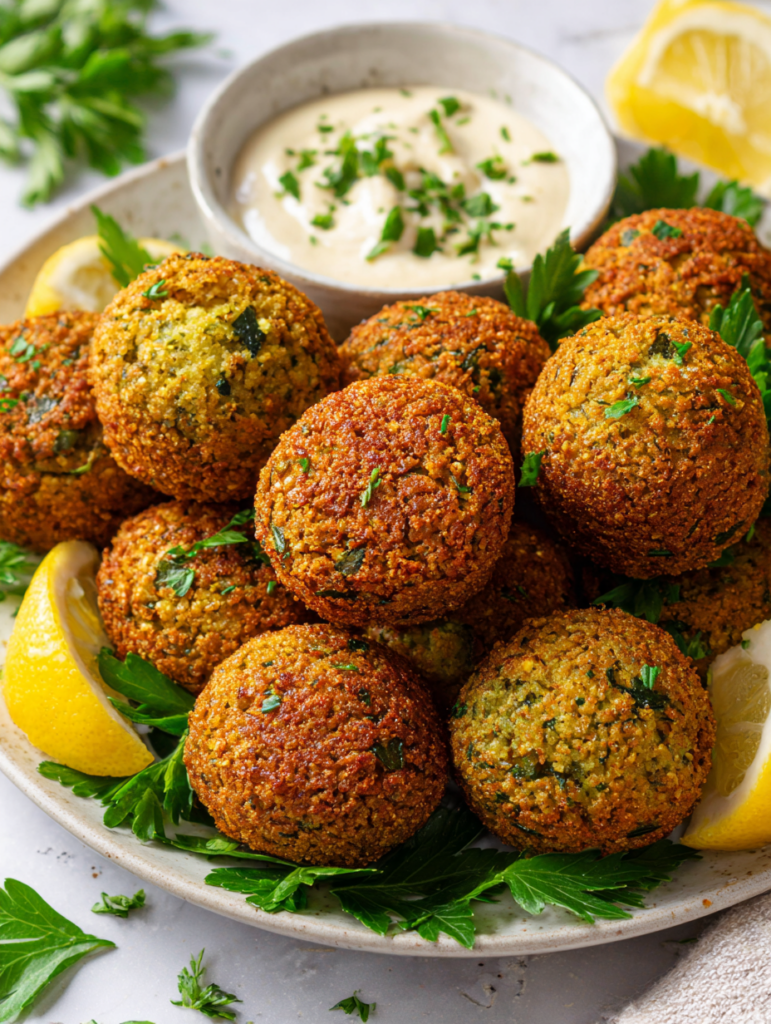
Fried falafel is one of those street foods that somehow feels so simple, yet gets its texture just right—crisp on the outside, tender inside. Achieving that perfect balance in your own kitchen feels like a small victory, especially when you get that satisfying crackle with each bite. It’s honest, messy, and deeply comforting, a reminder that good things often come from humble beginnings.
What makes this recipe stand out for me is how delicate the falafel can be if you treat it right during frying. I’ve burned more than a few trying to rush it, but once you learn to control the heat and handle the dough gently, the results are worth it. There’s this fleeting moment, just before the golden-brown crust forms, where you can really feel the magic happening—like the promise of something crispy and tender all at once.
Focusing on the surprisingly delicate texture of falafel when using a traditional frying method, highlighting the contrast between crispy exterior and tender inside, and how mastering this balance elevates the humble street food into something truly satisfying at home.
The story behind this recipe
- I first fell for falafel during a trip to a bustling Middle Eastern market. Watching vendors fry perfect, bubbling orbs of chickpea goodness made me realize how much care and technique go into getting that crispy exterior and tender center. Since then, I’ve been chasing that elusive balance — crispy enough to crackle, yet soft enough to melt in your mouth.
- Over the years, I’ve learned that frying is a dance between heat and patience. Too hot, and they burn before cooking through; too cold, and they turn greasy. I remember one chaotic afternoon trying to replicate that street vendor magic with a noisy pan and a hungry stomach. Now, I keep it simple, trust the sizzle, and let the falafel do the talking.
- heading: ‘The story behind this recipe’
Key ingredients and tips
- Chickpeas: I prefer dried, soaked overnight—gives a better texture and flavor. If using canned, rinse well to avoid excess sodium and mushiness.
- Onion: Finely chopped, almost paste-like. It adds moisture and a subtle sweetness, but too much can make the mixture too loose, so balance it carefully.
- Fresh herbs: Parsley and cilantro brighten the falafel with a herbal, almost grassy aroma. Use fresh for the best flavor—dried herbs won’t do the same.
- Garlic: Minced finely or grated—its pungency adds depth. If you want a milder taste, sauté it lightly before mixing in.
- Spices: Cumin and coriander are my go-to—smoky and citrusy, respectively. Toast them briefly before grinding for an extra punch. Adjust to your spice tolerance.
- Baking soda: Just a pinch helps the falafel puff up and stay light. Be cautious—too much can cause a soapy taste and excessive rise.
- Flour or breadcrumbs: Use just enough to bind everything without making the mixture stiff. I prefer chickpea flour for authenticity, but all-purpose works in a pinch.
Spotlight on key ingredients
Chickpeas:
- I prefer dried, soaked overnight—gives a better texture and flavor. If using canned, rinse well to avoid excess sodium and mushiness.
- Onion: Finely chopped, almost paste-like. It adds moisture and a subtle sweetness, but too much can make the mixture too loose, so balance it carefully.
- Fresh herbs: Parsley and cilantro brighten the falafel with a herbal, almost grassy aroma. Use fresh for the best flavor—dried herbs won’t do the same.
Spices & Oil:
- Cumin and coriander: Toast briefly before grinding for an intense, smoky aroma that elevates the falafel’s flavor. You’ll notice a warm, slightly citrusy scent as they toast.
- Baking soda: Just a pinch helps the falafel puff up and stay light. Too much causes an soapy taste and excessive rise, so measure carefully.
- Oil for frying: Use a neutral oil with a high smoke point like vegetable or light olive oil. It should shimmer gently before adding falafel, signaling readiness.
Notes for ingredient swaps
- Dairy-Free: Use tahini or tahini-based sauces instead of yogurt—adds richness without dairy, but may be nuttier in flavor.
- Gluten-Free: Substitute all-purpose flour with chickpea flour or rice flour—keeps the mixture light, but might slightly alter the texture.
- Vegetarian: Swap traditional herbs for spinach or kale—adds color and nutrients, but may affect the flavor profile.
- Spice Level: Replace cayenne with smoked paprika or black pepper—adjusts heat and smokiness, but changes the flavor note.
- Oil Type: Use light olive oil or avocado oil for frying—healthier options with higher smoke points, but can impact flavor subtly.
- Herb Variations: Swap parsley and cilantro for mint or basil—refreshes the flavor, but may make the falafel taste more aromatic.
- Binding Agent: Replace flour with crushed oats or quinoa flakes—offers a different texture and binding quality, slightly denser.
Equipment & Tools
- Deep pot or cast-iron skillet: For frying the falafel evenly and safely.
- Thermometer: To monitor oil temperature precisely.
- Slotted spoon or spider: To remove falafel from hot oil efficiently.
- Bowl of water: For wetting hands to shape the falafel.
- Paper towels: To drain excess oil after frying.
Step-by-step guide to fried falafel
- Equipment & Tools: Gather a deep, heavy-bottomed pot or cast-iron skillet; a slotted spoon or spider; a thermometer; a small bowl for water; and a paper towel-lined plate for draining.
- Prepare the chickpeas: Soak dried chickpeas in plenty of cold water overnight, at least 12 hours. Drain well and dry with a towel.
- Make the falafel mixture: In a food processor, pulse chickpeas until coarse but not pureed. Add finely chopped onion, garlic, herbs, spices, a pinch of baking soda, and just enough flour to bind. Pulse gently until combined but still coarse.
- Chill the dough: Transfer to a bowl, cover, and refrigerate for at least 30 minutes. This helps the mixture firm up and makes shaping easier.
- Shape the falafel: Using wet hands, form 1- to 1.5-inch balls or patties. Keep them uniform for even frying.
- Heat the oil: Fill your pot or skillet with 2-3 inches of oil. Heat to 180°C / 356°F. Test with a small piece of dough—if it sizzles and rises, it’s ready.
- Fry in batches: Gently lower falafel into hot oil, avoiding overcrowding. Fry for 3-4 minutes, turning occasionally, until golden brown and crispy. Adjust heat if they brown too quickly or slowly.
- Check for doneness: The falafel should be crackling and golden, with a slight jiggle inside. Use a thermometer to ensure an internal temp of around 75°C / 165°F if needed.
- Drain and rest: Remove with a slotted spoon, drain on paper towels, and let rest for a minute to settle the crust.
- Serve hot: Plate with your favorite dips and fresh herbs. Best enjoyed immediately but can be kept warm in a low oven for a few minutes.
Let the falafel rest on paper towels for a minute to settle the crust. Serve immediately with dips or on salads for best crunch and freshness.
How to Know It’s Done
- Golden-brown exterior with crackle and slight jiggle inside.
- Oil temperature steady at around 180°C / 356°F during frying.
- Falafel holds shape without falling apart when lifted.
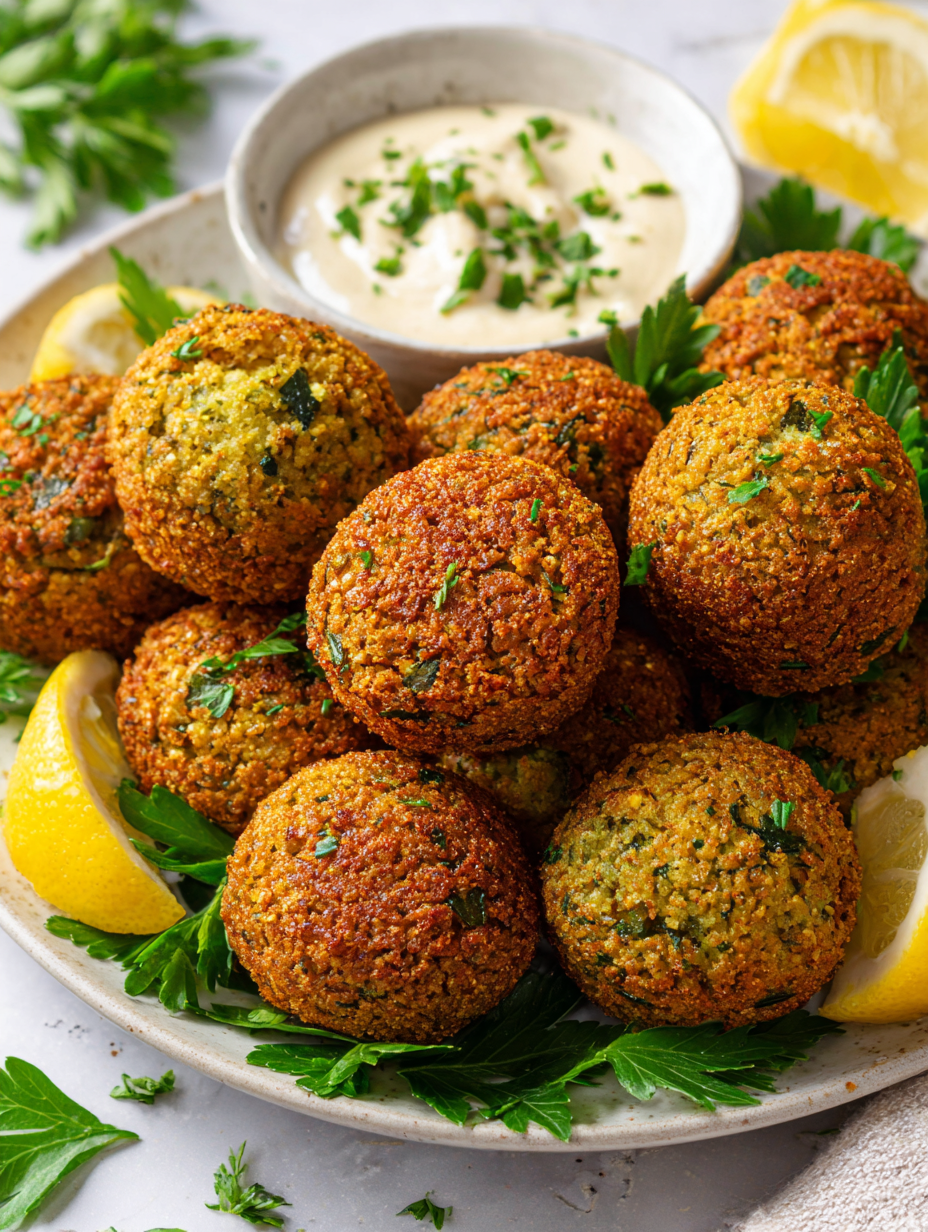
Fried Falafel
Ingredients
Equipment
Method
- Drain the soaked chickpeas and pat them dry with a towel to remove excess moisture.
- In a food processor, pulse the chickpeas until coarse but not completely smooth, resembling a chunky meal.
- Add the finely chopped onion, minced garlic, chopped herbs, toasted spices, baking soda, and flour to the processor.
- Pulse gently until everything is combined evenly, but still coarse in texture. The mixture should hold together when pressed.
- Transfer the mixture to a bowl, cover, and refrigerate for at least 30 minutes to help it firm up.
- Once chilled, wet your hands and shape the mixture into 1 to 1.5-inch balls or patties, keeping them uniform for even frying.
- Heat the oil in a deep pot or skillet to 180°C / 356°F, checking with a thermometer. It should shimmer and be ready for frying.
- Gently lower the shaped falafel into the hot oil using a slotted spoon, avoiding overcrowding. Fry in batches.
- Fry for 3-4 minutes, turning occasionally, until the falafel turn a deep golden-brown and crackle slightly.
- Remove the cooked falafel with a slotted spoon and drain on paper towels to remove excess oil.
- Serve the crispy falafel hot, with dips or in pita bread, enjoying the satisfying crackle and tender interior.
Pro tips for perfect falafel
- Keep oil at a steady 180°C / 356°F for even frying and crispy results.
- Chill the mixture for at least 30 minutes; it firms up, making shaping easier and falafel more uniform.
- Use a slotted spoon to gently lower falafel into hot oil; avoid overcrowding to prevent sticking and uneven cooking.
- Turn falafel carefully; a gentle shake of the pan helps develop that perfect crackle and golden crust.
- Test a small piece first—if it sizzles immediately and floats, your oil is ready.
- Rest cooked falafel briefly on paper towels; this draws out excess oil and keeps them crisp.
- If falafel cracks or falls apart, check your mixture’s moisture and chill it longer before frying.
Common mistakes and how to fix them
- FORGOT to dry chickpeas → Use dried, soaked overnight for best texture.
- DUMPED cold oil into hot pan → Always heat oil gradually to avoid splatters.
- OVER-TORCHED the falafel → Maintain steady medium heat and watch for golden color.
- SKIPPED resting time → Rest mixture for 30 minutes for easier shaping and better texture.
Fast fixes for falafel mishaps
- When oil shimmers, splash a tiny piece of bread—if it bubbles immediately, it’s ready.
- DUMPED too much oil? Patch with paper towels to absorb excess and reduce splatter.
- If falafel cracks or falls apart, check mixture moisture—add a touch more flour and chill again.
- Splash cold water into hot oil to reduce splatter and shimmer—careful, it pops!
- Shield burnt bits by lowering heat immediately and scooping out burnt pieces before they set.
Prep, store, and reheat tips
- Prepare the falafel mixture ahead: mix and chill for up to 24 hours; it firms up, making shaping easier and more consistent.
- Store cooked falafel in an airtight container in the fridge for up to 3 days. Reheat in a hot oven or skillet until crisp, about 5 minutes, for that fresh crunch.
- Falafel can be frozen after frying: lay on a baking sheet, freeze until solid, then transfer to a bag. Reheat directly from frozen in the oven or skillet. Expect a slight change in crispness, but still delicious.
- Reheating: To bring back that crispy exterior, warm in a 180°C / 356°F oven for 8–10 minutes. The smell of toasted herbs and a crackling sound will tell you it’s ready.
- For an even better reheated falafel, briefly broil for 1–2 minutes at the end, watching carefully to avoid burning. The texture should shimmer with a slight oil sheen and crackle appealingly.
Top questions about fried falafel
1. Can I use canned chickpeas for falafel?
Use dried chickpeas soaked overnight for best texture. Canned chickpeas tend to be mushier and less crispy.
2. Can I substitute canned chickpeas?
Yes, but rinse them thoroughly and pat dry. They can make the mixture wetter, so adjust flour accordingly.
3. What oil works best for frying falafel?
Yes, you can fry falafel in vegetable or light olive oil. Just avoid too strongly flavored oils that might overpower the herbs.
4. How long does it take to fry falafel?
Fry in batches, about 3-4 minutes each, until golden and crispy. Keep the oil temperature steady at 180°C / 356°F.
5. How should I shape the falafel?
Shape the mixture into balls or patties with wet hands. Keep them uniform for even cooking and crispness.
6. Should I rest the falafel after frying?
Let cooked falafel rest on paper towels for a minute to absorb excess oil and keep them crispy.
7. What does baking soda do in falafel?
Add a pinch of baking soda to help puff up the falafel for a light, airy interior.
8. Can I use dried herbs in falafel?
Use fresh herbs like parsley and cilantro for bright flavor. Dried herbs won’t give the same fresh aroma.
9. Can I freeze falafel?
Yes, you can freeze cooked falafel. Reheat in a hot oven or skillet for 5–8 minutes until crispy.
10. How do I know when falafel is cooked?
Check for a golden color, crackling sound, and internal temperature of about 75°C / 165°F to ensure doneness.
Fried falafel is one of those dishes that sneaks into your weekly routine, offering a satisfying crunch and a tender middle that never gets old. It’s a simple pleasure, but one that feels like a small victory every time you master that perfect golden crust. Plus, the aroma—warm, smoky, with a hint of herbs—lingers long after the last bite.
In a way, it’s more than just a recipe; it’s a reminder to keep experimenting and trusting your senses in the kitchen. Whether you’re craving something nostalgic or just want that crispy bite, falafel always seems to deliver. And honestly, once you get the hang of it, it’s hard to go back to store-bought.

I’m Mahek Manchanda, the curious heart behind Dramatically Stirring. Before this space existed, my life revolved around kitchens that were loud, demanding, and endlessly alive. I didn’t arrive at cooking through a single dramatic moment.