
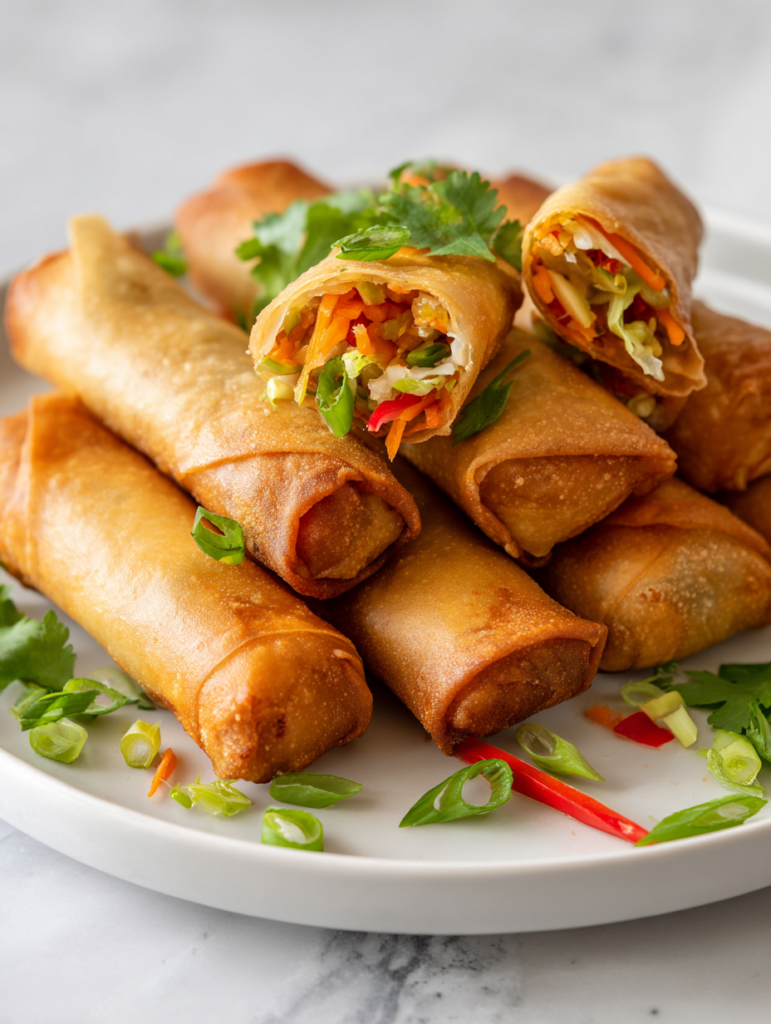
Fried vegetable spring rolls are one of those dishes that feel like a warm hug from childhood, wrapped in crispy, golden layers. There’s something about the way the veggies soften just enough inside that flaky wrapper, releasing a hint of sweetness and earthiness with every bite. It’s a messy, joyful process, but so worth it when you get that perfect crackle and a burst of fresh flavors.
This recipe is my go-to when I want to bring a little nostalgia to the table, especially during busy weekends or when friends drop by unexpectedly. It’s also a way to use up seasonal produce—think crunchy carrots, tender cabbage, and zesty herbs—that make each bite vibrant and satisfying. Frying at home can feel chaotic, but once you get the rhythm down, it’s oddly meditative, especially with the smell of sizzling oil filling the kitchen.
The best part? These spring rolls are versatile enough to serve with a quick dipping sauce or just a squeeze of lime. They’re imperfect, a little messy, but always satisfying—like a little reminder that sometimes, the best bites come from embracing the chaos. Plus, they’re a hit for potlucks, snack plates, or just a casual night when comfort food feels right.
Focusing on the nostalgic comfort and fleeting freshness of homemade spring rolls, this recipe emphasizes the satisfaction of crafting crispy, veggie-filled bites that evoke childhood memories and seasonal ingredients, all while navigating the chaos of frying at home.
The story behind this recipe
- This recipe started from a messy kitchen experiment one rainy afternoon, trying to use up leftover vegetables before they wilted. I remember the smell of frying oil, the satisfying crackle, and that moment when I finally got the wrapping just right—crisp and golden. It made me realize how much I missed the simple joy of homemade spring rolls, especially when you make them yourself, with fresh ingredients and a bit of messy love.
- Making these spring rolls takes me back to family gatherings, where everyone would gather around the stove, laughing and chatting while the oil heated up. It’s a dish that feels like a little celebration of everyday life, even if it’s just for a quiet weekend snack. They remind me that sometimes, the best food comes from improvising and embracing the chaos in the kitchen.
- heading: The story behind this recipe
Key Ingredient Notes
- Cabbage: I love how the shredded cabbage provides a nice crunch and a slightly sweet flavor, but if you find it too watery, give it a quick salt sprinkle and squeeze out excess moisture before wrapping.
- Carrots: Fresh, bright orange carrots add a sweet, crisp bite. If they’re a bit dull, toss them with a splash of lemon juice to brighten their flavor and color.
- Herbs: Fresh cilantro or mint make the filling pop with aroma. Skip if you dislike herbs, but expect a less vibrant, less aromatic roll.
- Rice paper: I like the flexibility of rice paper, but it can be sticky. Dip briefly in warm water until it just softens—too long, and it tears; too short, and it’s tough to work with.
- Oil for frying: Use a neutral oil with a high smoke point like vegetable or canola. When shimmering and crackling, you’re ready to fry. If smoke appears, lower the heat and check for burnt bits.
- Filling moisture: Keep the filling moist but not soggy. If it feels dry, add a drizzle of soy sauce or a splash of water—just enough to bind without making it soggy.
- Optional: Add a pinch of sugar or a dash of soy sauce to the filling for extra depth. It’s subtle but brings out the vegetable sweetness and umami.
Spotlight on key ingredients
Cabbage:
- I love how the shredded cabbage provides a nice crunch and a slightly sweet flavor, but if you find it too watery, give it a quick salt sprinkle and squeeze out excess moisture before wrapping.
- Carrots: Fresh, bright orange carrots add a sweet, crisp bite. If they’re a bit dull, toss them with a splash of lemon juice to brighten their flavor and color.
- Herbs: Fresh cilantro or mint make the filling pop with aroma. Skip if you dislike herbs, but expect a less vibrant, less aromatic roll.
Rice paper:
- I like the flexibility of rice paper, but it can be sticky. Dip briefly in warm water until it just softens—too long, and it tears; too short, and it’s tough to work with.
- Oil for frying: Use a neutral oil with a high smoke point like vegetable or canola. When shimmering and crackling, you’re ready to fry. If smoke appears, lower the heat and check for burnt bits.
Notes for ingredient swaps
- Dairy-Free: Use coconut aminos instead of soy sauce for a subtly sweet, tropical twist. It’s less salty but still adds umami.
- Gluten-Free: Rice vinegar can be swapped with apple cider vinegar if you prefer a milder tang or don’t have rice vinegar handy.
- Vegetarian: Swap out any meat-based fillings with extra shredded tofu or tempeh, which will absorb flavors beautifully and stay tender.
- Vegan: Skip the egg wash or any animal-based ingredients. The rolls will still crisp up nicely, just keep an eye on the moisture balance.
- Herbs: Fresh basil or Thai basil can replace cilantro or mint for a more aromatic, slightly peppery note. Use what’s fresh and available.
- Oil: Avocado oil or light sesame oil can be used for frying if you want a different flavor profile or a slightly healthier fat.
- Veggies: Bell peppers or snow peas can replace carrots or cabbage for a sweeter or crunchier bite, adding fresh color and texture.
Equipment & Tools
- Deep skillet or wok: For frying the spring rolls evenly.
- Slotted spoon: To safely lift out the hot rolls.
- Large shallow dish: To soften rice paper without tearing.
- Kitchen towel or paper towels: To drain excess oil and keep rolls crispy.
- Sharp knife: To chop herbs and vegetables precisely.
Step-by-step guide to frying
- Gather all your ingredients and equipment. Have the vegetables shredded, herbs chopped, and rice paper ready. Fill a large shallow dish with warm water (about 40°C/104°F).
- Heat about 2 inches of neutral oil in a deep skillet or wok over medium-high heat (around 180°C/356°F). The oil should shimmer but not smoke.
- Prepare the filling: mix shredded cabbage, grated carrots, chopped herbs, a splash of soy, and a pinch of salt in a bowl. Keep moist but not watery.
- Dip a rice paper into the warm water for 10-15 seconds, until it softens but isn’t too sticky. Lay it flat on a damp cloth or plate.
- Place about 2 tablespoons of filling near the bottom edge of the rice paper. Fold the bottom over the filling, then fold in the sides, and roll tightly from bottom to top, sealing with a little water if needed.
- Repeat with remaining rice papers and filling. Keep assembled rolls on a lightly damp cloth to prevent sticking.
- Carefully lower the spring rolls into hot oil. Fry in batches, turning occasionally, for about 3-4 minutes until golden and crispy.
- Check for doneness: rolls should be golden brown, crispy, and bubbling. If they brown too quickly, lower the heat slightly.
- Remove with a slotted spoon and drain on paper towels. Rest for 1-2 minutes before serving to avoid oil burns and to finish crisping.
- Serve hot with dipping sauce or a squeeze of lime. Enjoy the crackle and fresh veggie flavor with every bite.
Let the fried spring rolls rest on paper towels for a minute to drain excess oil. Serve immediately with your favorite dipping sauce or a wedge of lime for added brightness.
How to Know It’s Done
- Golden, crispy exterior with even color.
- Filling is hot and cooked through; no raw veggie bits.
- Oil crackles lively when rolls hit the surface.
Fried Vegetable Spring Rolls
Ingredients
Equipment
Method
- Start by mixing the shredded cabbage, grated carrots, chopped herbs, and soy sauce in a bowl. Toss together until well combined—this creates a vibrant, moist filling with a nice crunch.
- Fill a large shallow dish with warm water, about 40°C (104°F). Dip one rice paper sheet into the water for about 10-15 seconds until it’s soft and pliable. Gently lay it flat on a damp cloth or plate.
- Place about 2 tablespoons of the vegetable filling near the bottom edge of the softened rice paper, spreading it out in a thin line.
- Fold the bottom of the rice paper over the filling, then fold in the sides, creating a tight roll from bottom to top. Use a tiny bit of water to seal the edge if needed.
- Repeat the dipping and filling process with the remaining rice paper sheets and vegetable mixture, keeping the finished rolls on a damp cloth to prevent sticking.
- Heat about 2 inches of neutral oil in a deep skillet or wok over medium-high heat until shimmering and crackling at around 180°C (356°F).
- Carefully lower a few spring rolls into the hot oil, frying in batches to avoid overcrowding. Fry for about 3-4 minutes, turning occasionally, until they’re golden brown and crispy.
- Use a slotted spoon to lift out the fried rolls, letting excess oil drain on paper towels. Rest for a minute to finish crisping.
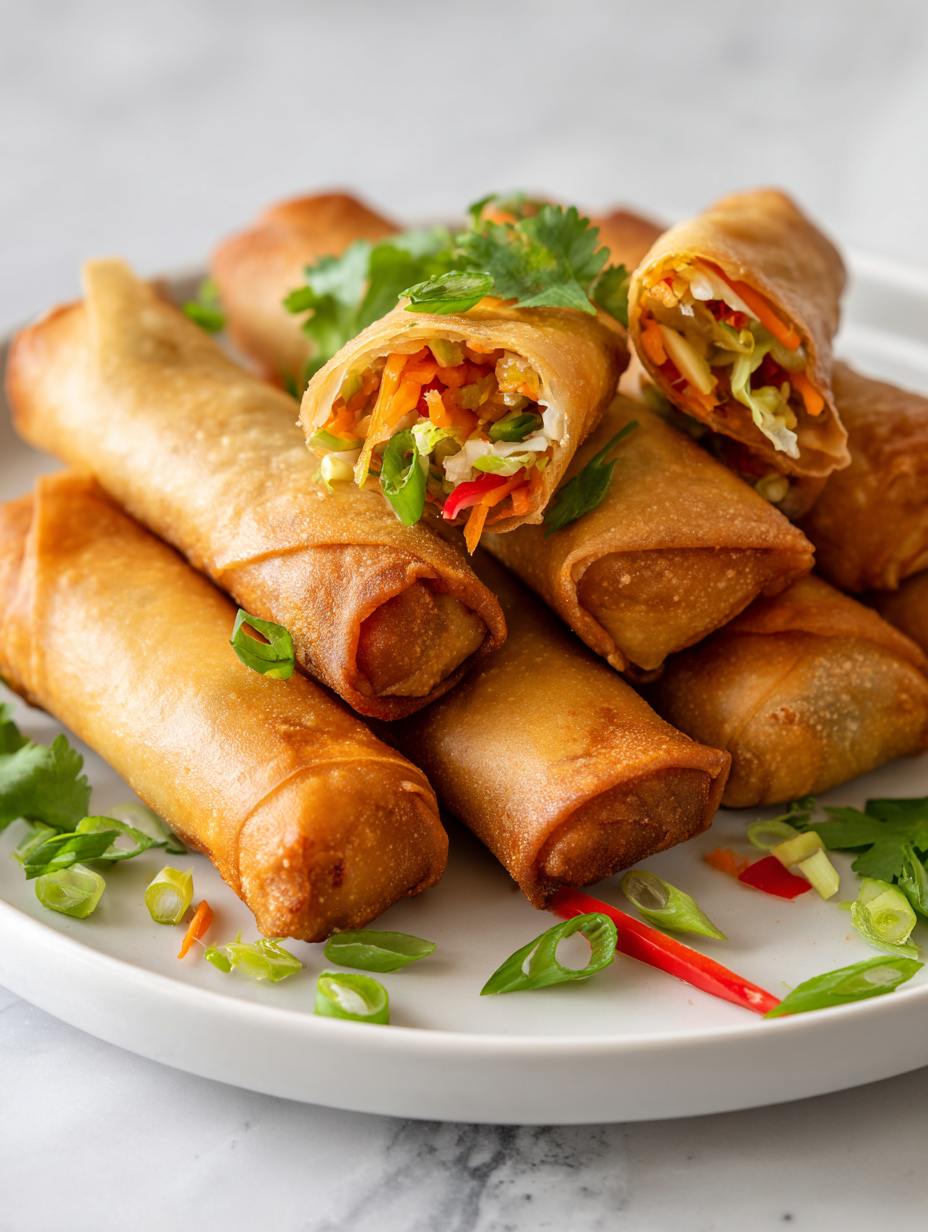
- Serve the spring rolls hot with your favorite dipping sauce or a squeeze of lime for added zest. They should be crunchy on the outside and filled with tender, colorful vegetables inside.
Notes
Pro tips for crispy spring rolls
- Use cold oil: Keep your oil cold at first to prevent splatter and ensure even heating.
- Seal edges well: Moisten rice paper edges slightly to prevent tears and unwrapping during frying.
- Maintain oil temperature: Keep it around 180°C/356°F; too hot burns quickly, too low soggy rolls.
- Don’t overstuff: Less filling makes rolling easier and keeps the rolls crispy, not greasy.
- Drain properly: Rest fried rolls on paper towels to remove excess oil and stay crunchy.
- Fry in batches: Avoid overcrowding the pan to maintain oil temperature and crispiness.
- Test for crispness: Rolls should be golden, crackling, and hold their shape without sagging.
Common mistakes and how to fix them
- FORGOT to dry vegetables → Moisture causes oil splatter; pat veggies dry before filling.
- DUMPED filling into hot oil → Drop gently to avoid splatter and uneven cooking.
- OVER-TORCHED rolls → Reduce heat immediately; oil should shimmer, not smoke.
- MISSED to seal edges properly → Dampen rice paper edges slightly to prevent unwrapping during frying.
Quick fixes and pantry swaps
- If oil shimmers and crackles, the temperature is right for frying.
- Splash a tiny bit of water on hot oil to rescue minor splatters immediately.
- Patch soggy rolls by re-frying briefly until they regain crunch.
- Shield delicate fillings by lowering heat if oil smokes or burns.
- When rice paper tears, dip again briefly and work quickly to reassemble.
Prep, store, and reheat tips
- Prepare the filling and chop vegetables a day ahead; keep refrigerated to maintain freshness and crunch.
- Assemble and roll the spring rolls up to 4 hours in advance; store on a parchment-lined tray covered loosely with plastic wrap in the fridge.
- Fried rolls are best eaten fresh, but can be stored in an airtight container in the fridge for up to 1 day; reheat in a 180°C (350°F) oven until crisp, about 5-7 minutes, for best crunch.
- Reheating in the microwave isn’t recommended, as it makes the skin soggy and loses that crackly texture. For quick reheats, a brief stint in a hot oven or air fryer restores crispness.
Top questions about spring rolls
1. How do I know when the oil is hot enough?
Use a thermometer to keep oil at 180°C (356°F). It’s perfect for crispy, golden rolls without burning.
2. How soft should the rice paper be before wrapping?
Dip rice paper quickly in warm water (10-15 seconds) until just soft. If it tears, it’s been too long.
3. Can I fry all the rolls at once?
Fry in small batches to keep the oil temperature steady. Overcrowding makes them soggy and unevenly cooked.
4. Should I drain the rolls after frying?
Rest fried rolls on paper towels for a minute. This drains excess oil and keeps the exterior crisp.
5. What vegetables work best for filling?
Use firm, fresh vegetables for crunch and flavor. Older veggies turn soggy and dull quickly during frying.
6. How do I prevent the filling from being too dry?
Keep the filling moist but not soggy. Add soy sauce or a splash of water if it feels dry or crumbly.
7. How do I make sure the rolls stay sealed?
Seal the rice paper edges with a tiny bit of water to prevent unwrapping during frying.
8. How should I reheat leftover spring rolls?
Reheat in a 180°C (350°F) oven or air fryer for 5-7 minutes until crispy again.
9. Which oil is best for frying spring rolls?
Use neutral oils like vegetable or canola for frying. They have high smoke points and neutral flavor.
10. Can I skip herbs? How does it affect flavor?
Add herbs like cilantro or mint to brighten the filling and add aromatic freshness during frying.
These spring rolls are a reminder that sometimes, the messiest kitchen moments lead to the most satisfying bites. The crispy exterior paired with the fresh, vibrant filling makes every bite worth the effort. Cooking them at home brings a sense of pride and nostalgia, especially during these busy, fleeting seasons.
When you get that perfect crackle and the veggie filling is just right, it’s a small victory. Sharing these with friends or family turns simple ingredients into a moment of shared joy. They’re not just snacks—they’re a little celebration of everyday life’s imperfect, delicious chaos.

I’m Mahek Manchanda, the curious heart behind Dramatically Stirring. Before this space existed, my life revolved around kitchens that were loud, demanding, and endlessly alive. I didn’t arrive at cooking through a single dramatic moment.